

Why Jute Use?
Jute bags, which are produced from the natural fiber of the jute plant, are eco-friendly, biodegradable, and very durable, with the ability to support heavy weights. Jute bags are produced in different shapes and sizes, such as shopping bags, tote bags, wine bags, drawstring bags, promotional bags, and beach bags. The production process of jute bags includes growing, harvesting, retting, stripping, washing, drying, spinning, weaving, and sewing. Jute bags are eco-friendly, reusable, economical, and a very versatile substitute for plastic bags.
Why Cotton Use?
Made from natural cotton fibers, cotton bags are long-lasting, biodegradable, and environmentally friendly, providing a sustainable substitute for plastic bags. Cotton plants are grown, the bolls are harvested, the fibers are separated by ginning, the yarn is spun, the fabric is knitted or woven, and the various bag designs are cut and sewn. Tote bags for daily use, drawstring bags for lightweight goods, grocery bags for shopping, logo-customized promotional bags, and reusable produce bags are just a few of the varieties of cotton bags that promote sustainability and lessen their impact on the environment.
ECO-FRIENDLY PROCESS
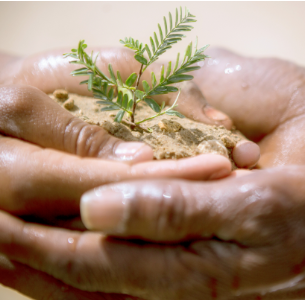
The materials we select should be high–quality, but they should also be as environmentally friendly as possible. At LEON, we help reduce environmental impacts through the use of more sustainable raw materials, including organic cotton, recycled textiles, and eco-friendly dyes; therefore, we are promoting responsible sourcing. Our belief in our social responsibility to create a sustainable and eco-friendly environment is demonstrated through our use of jute as the first option for any product. Additionally, Our Method of Manufacturing supports the sustainable use of our resources by reducing waste and improving resource efficiency throughout the manufacturing process.